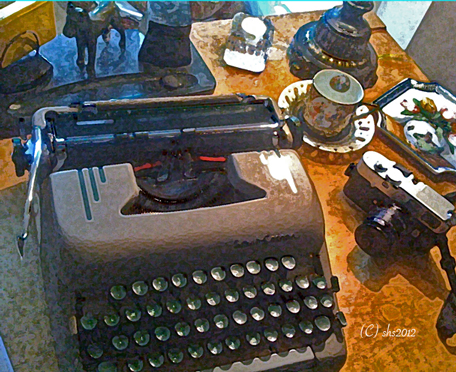
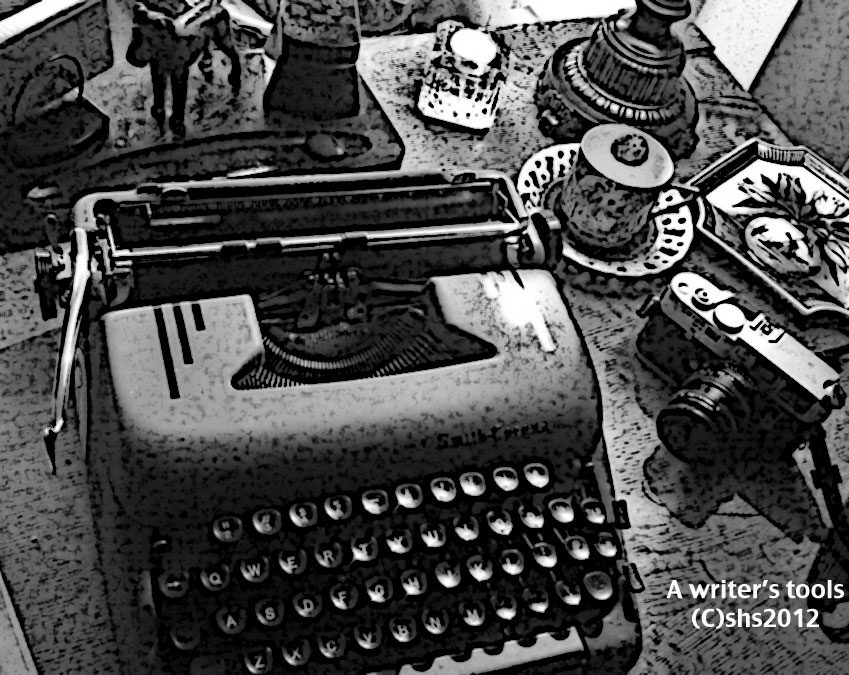
 I have to confess, I have tried so many times and in so many forms to keep a diary with the ending result– unreadable pages. In the end I wrote with a fountain pen, simply because it forced me to slow down, and ended up with a somewhat positive result. I could actually read what I had written some six months later. My handwriting was and still is atrocious.
Diaries are intimidating. I can’t believe what I have written in some entries. Was my thought process really like that? Egads, where is the match to burn them! But diaries or journals can be a useful tool for the writer. It’s good practice to try to find something in your day of interest and write about it.
I have massive diary intimidation. Back in the depth of my mind, that niggly little voice is comparing my writing to that of some outstanding writers. Mine is just not on that level. In a way, I wish I had not read the diary’s of Virginia Woolf, and Beatrix Potter. Potter even wrote hers in a secret code. With that to contend with, I have no hope!

Photo of British writer and illustrator, Beatrix Potter and her dog Kep, 1913 (Photo credit: Wikipedia)
I read those diaries early on, and that style formed in my mind of what a diary should be like, Pepys springs to mind also, I no longer keep a diary, but I keep notebooks, with ideas, story notes, and in my day to day diary, I just keep the days events structured like an appointment book. That often is enough to trigger a memory for me.

Portrait of Virginia Woolf (January 25, 1882 – March 28, 1941) (Photo credit: Wikipedia)
Virginia Woolf writes in her diary:
The habit of writing for my eye only is good practice. It loosens the ligaments.
Never mind the misses and the stumbles. Going at such a pace as I do I must make the most direct and instant shots at my object, and thus have to lay my hands on words, choose them and shoot them with no more pause than is needed to put my pen in the ink. I believe that during the past year I can trace some increase of ease in my professional writing which I attribute to my casual half hours after tea. . . .
What sort of diary should I like mine to be? Something loose knit and yet not slovenly, so elastic that it will embrace anything, solemn, slight or beautiful that comes into my mind. I should like it to resemble some deep old desk, or capacious hold-all, in which one flings a mass of odds and ends without looking them through.
I wish my diary read like hers.
They say that we don’t really remember things as they actually happened. Clear example would be eyewitnesses to a crime. One crime and five very different descriptions of the criminal. Our memories are creative ones. But, if you can manage to capture an episode of your life in words, then sometimes, years later, it will come as a pleasant surprise that you did indeed remember things as they were, or a shock. I really did that?
Some Diary’s are not meant for private eyes as was the case with A Writer’s Diary by Fyodor Dostoevsky, which was a monthly paid diary.

“Portrait of the Writer Fyodor Dostoyevsky”, Oil on canvas. The Tretyakov Gallery, Moscow. (Photo credit: Wikipedia)
I don’t really consider that a proper diary, as its intent was publication. Diaries to me are private affairs. A place where you can feel free to share you darkest thoughts and deepest dreams.
Is there a writer’s diary you admire?
Do you use a diary as a writing prompt? A memory trigger? Or?
I’d love to hear about your experiences on using a diary for your writing.









 A camera travels